
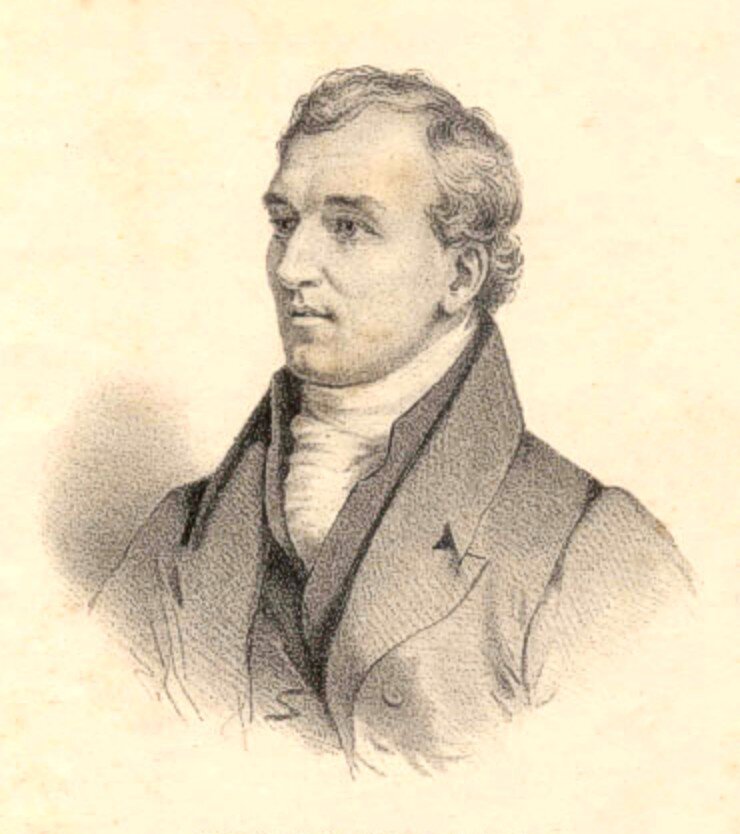
 “Here lies Master David Douglas – an indefatigable traveler. He was sent out by the Royal Horticultural Society of London and gave his life for science.” And on the second bronze tablet there is a quote by Virgil: “Even here the tear of pity springs, And hearts are touched by human things.”- – David Douglas Memorial, slopes of Mauna Kea, Hawai’i.
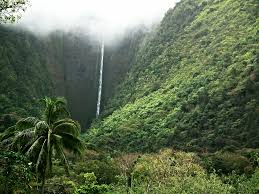 I’m knee deep in writing a futurist novel set in Kauai that echoes and references the Scottish naturalist David Douglas (as in the Douglas Fir) who traveled to and collected plants from the Pacific Northwest and was finally murdered on the slopes between Mauna Kea and Kilahuea in Hawai’i. In the middle of the 19th century, perhaps caught up in the fever dream of imperialism, and the wake of the Romantics they read in school when coming of age, broke but well-educated young British naturalists were sent out into the world to document and collect all the plant and animal species in foreign lands. You can see the very tip of the vast collection displayed in the British Natural History Museum, where there is no mention of Douglas (to the dismay of his handlers, despite being an avid journal writer, he did not write papers) but statues and busts of Darwin and Wallace and other naturalists and scientists from the western canon that modern science draws from. Writers, artists, and certainly romantics, they were the guides of the old world to the new. But were they scientists? Poets? Is there anything more poetic than being sent on a quest and giving “your life for science”? But isn’t the romance supposed to be a foil to science, which depends on the objective? Or is being “objective” just another fantasy? Did what these naturalists chose to see, to document and bring home, inform or further distort the British vision of itself as the center of the world and the keeper of all knowledge. Many of the birds found in the Natural History Museum were collected to extinction (apologies were everywhere next to displays- oops!). David Douglas was found dead at the bottom of a pit, gored by a bull, near an active volcano.
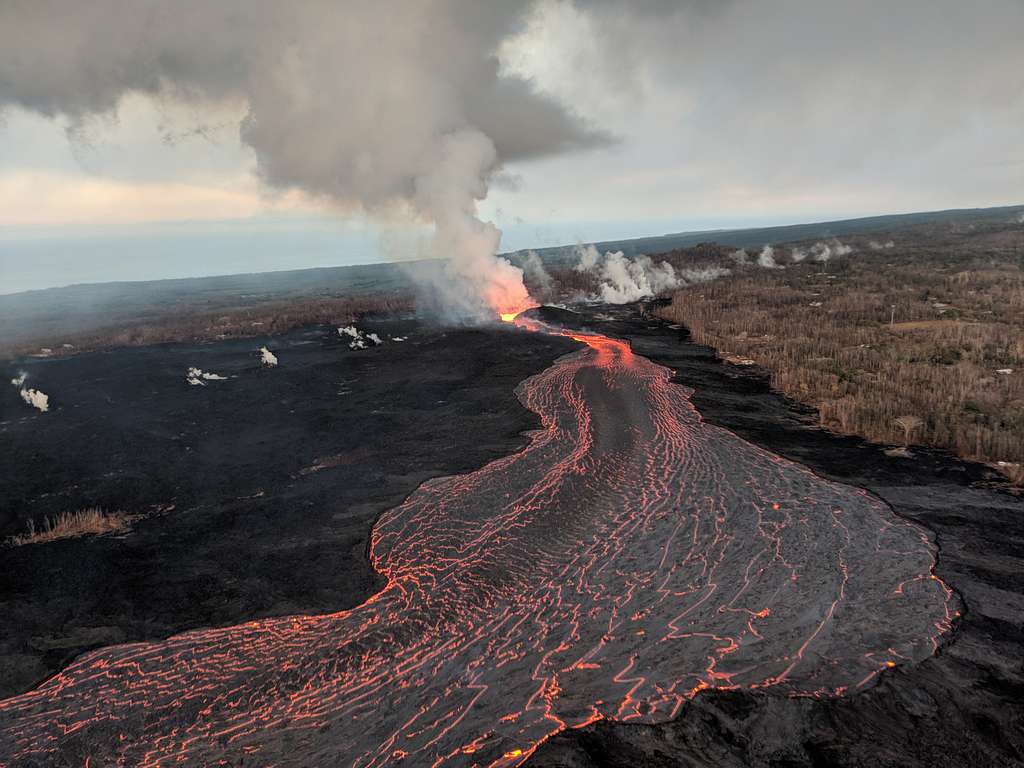 In The Inferno, Dante is guided through hell by the poet Virgil. “Even here the tear of pity springs, And hearts are touched by human things.” Who is guiding us now through this world, and where are we headed?

 STEM & Leaf